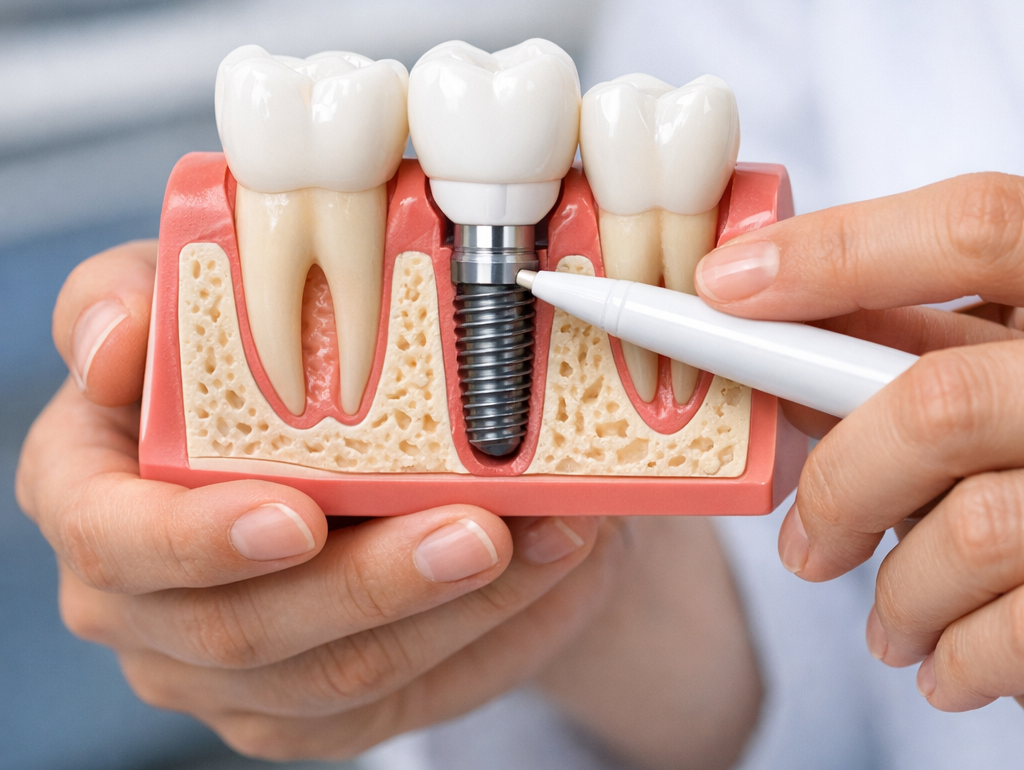
When researching dental implants in Burlington, many patients focus on benefits but an equally important part of the decision is understanding potential downsides and limitations. Dental implants can be an effective tooth-replacement option for some patients, but they are not ideal for everyone, and patients who visit us from Oakville, Hamilton, and Waterdown often ask the same practical questions about healing, candidacy, and long-term care.
At Burlington Family Dentists, we believe that honest, balanced information builds trust. This page explores the downsides of dental implants, why they matter, and how professional evaluation helps determine whether implants are appropriate for your situation.
Key Takeaways
- Dental implants involve a surgical procedure and a healing period.
- Not every patient is an ideal candidate for implant treatment.
- Healing time and individual health factors influence outcomes.
- Implants require ongoing oral care and follow-up.
- A dental consultation is essential before considering implants.
Patients often search for this topic because they want clarity, not sales language. The sections below address the most common concerns patients raise when asking about the risks and limitations of dental implants.
Table of Contents
- Why Understanding Implant Downsides Matters
- Dental Implants Are a Surgical Procedure
- Healing Time and Treatment Phases
- Bone and Oral Health Considerations
- Maintenance and Long-Term Care Responsibilities
- When Dental Implants May Not Be Recommended
- How a Professional Evaluation Helps Reduce Risk
- Frequently Asked Questions
- Speak With a Burlington Dentist About Dental Implants
Why Understanding Implant Downsides Matters
Dental implants are often discussed as a long-term tooth replacement option, but they still involve clinical considerations that should not be overlooked. Understanding potential downsides helps patients approach treatment decisions realistically and prepares them for what the process may involve.
By discussing both benefits and limitations, patients can work with their dentist to choose care that supports long-term oral health rather than focusing on a single procedure in isolation. This approach aligns with comprehensive Family Dentistry in Burlington, where treatment planning considers the full picture of oral health.
Dental Implants Are a Surgical Procedure
One of the most important considerations is that dental implants require a surgical step. Implant placement involves positioning the implant into the jawbone, which means healing time is necessary afterward.
While the procedure is carefully planned and performed with patient comfort in mind, surgery is not suitable for everyone. Individual health factors, healing ability, and oral conditions all influence whether implant surgery is appropriate. This is why implants are never recommended without a thorough evaluation.
In some cases, tooth removal may occur before implant discussions begin. Patients can learn more about that stage through Tooth Extractions in Burlington.
Healing Time and Treatment Phases
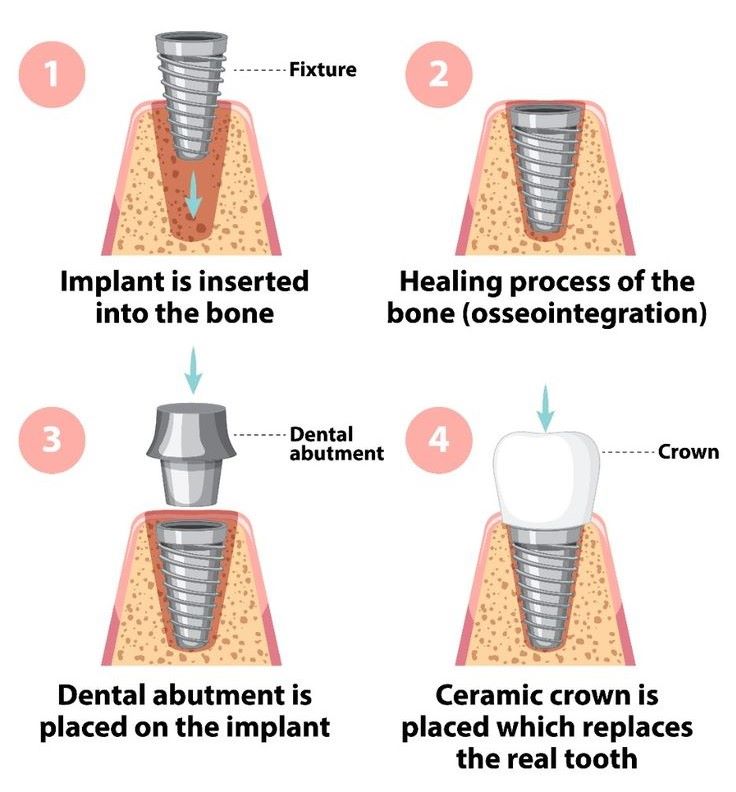
Dental implant treatment does not end on the day the implant is placed. Healing is a critical part of the process. After placement, the implant requires time to integrate before the final restoration is attached.
This phased approach means treatment takes longer than some patients initially expect. Healing time varies depending on individual factors and treatment needs. Understanding this timeline helps patients plan appropriately and reduces frustration during the process.
For patients seeking an overview of implant treatment steps, the Dental Implants in Burlington page provides a broader explanation of how implants fit into overall care.
Bone and Oral Health Considerations
Adequate bone support is an important factor in implant treatment. Patients with bone loss or certain oral health conditions may not be immediate candidates for dental implants.
This does not automatically rule out implants, but it may require alternative planning, additional care, or different treatment options. Oral health conditions such as gum disease also need to be addressed before implants are considered.
Routine evaluations, such as Dental Exams in Burlington, play an important role in identifying these factors early and guiding appropriate treatment planning.
Maintenance and Long-Term Care Responsibilities
Dental implants are not maintenance-free. They require the same level of care as natural teeth, including daily oral hygiene and regular dental visits.
Patients considering implants should be prepared for ongoing care and monitoring. Implants are maintained as part of routine visits like Dental Hygiene appointments in Burlington, reinforcing that implants are part of long-term oral health, not a one-time fix.
Understanding this responsibility helps patients decide whether implants align with their lifestyle and care expectations.
When Dental Implants May Not Be Recommended
Dental implants may not be recommended in every situation. Certain health conditions, healing limitations, or oral health concerns may make other treatment options more appropriate.
In some cases, alternative restorative solutions or phased care may be discussed instead. Complex cases may also be evaluated as part of broader Restorative Dentistry or Full Mouth Rehabilitation planning.
This patient-centred approach ensures recommendations are based on suitability rather than assumptions.
How a Professional Evaluation Helps Reduce Risk
Many concerns about dental implants can be addressed through proper assessment and communication. A professional evaluation allows your dentist to review your oral health, discuss potential limitations, and explain realistic expectations.
This process helps reduce risks by ensuring that dental implants are only recommended when appropriate and that patients understand each phase of treatment before moving forward.
FAQs
Are dental implants risky?Dental implants involve surgery and healing, which is why proper evaluation and planning are essential.
Can dental implants fail?Outcomes vary by individual. Following professional guidance and maintaining oral health supports long-term stability.
Do all patients qualify for dental implants?No. Candidacy depends on oral health, bone support, and overall health factors.
Are there alternatives if implants aren’t suitable?Yes. Other restorative options may be recommended depending on individual needs.
Speak With a Burlington Dentist About Dental Implants
If you’re exploring dental implants in Burlington and want balanced guidance about limitations and suitability, Burlington Family Dentists is here to help.
Book a consultation to discuss your situation and understand next steps with clarity and comfort serving patients in Burlington, Oakville, Hamilton, and Waterdown.