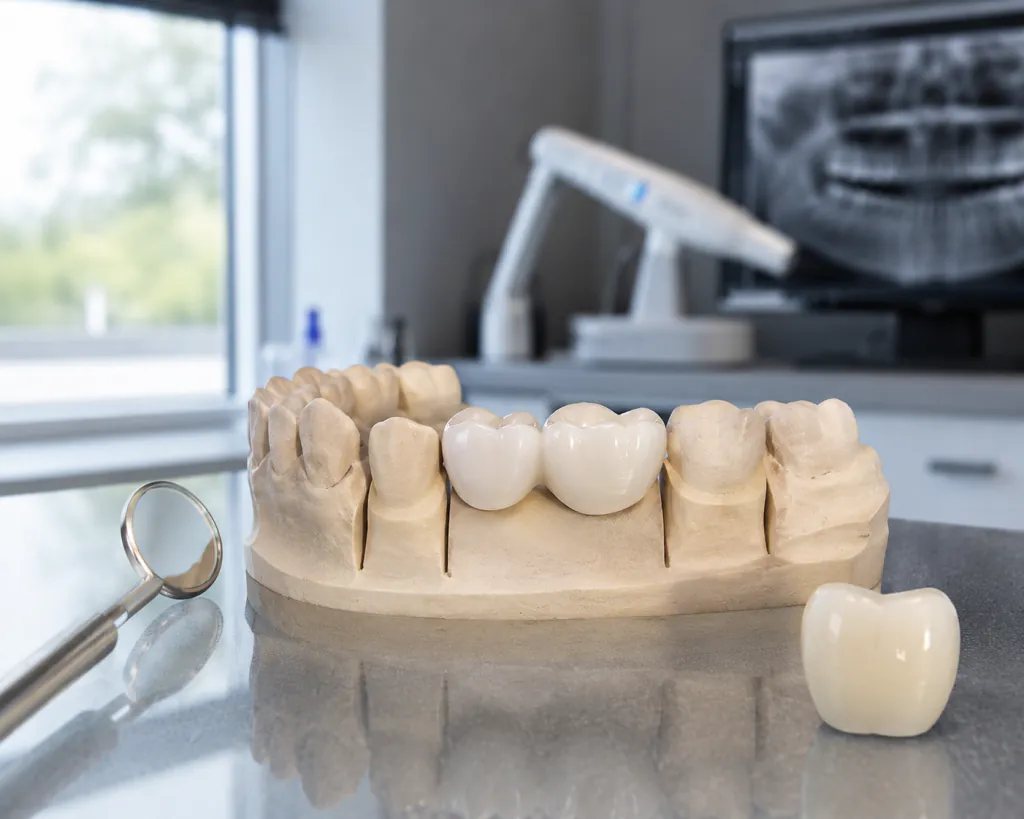
A new crown often feels a little strange at first, and mild sensitivity to cold or pressure is common while the tooth and gum settle. How long it takes depends on your tooth and your case. At Burlington Family Dentists in Burlington, call us if your bite feels high, pain is getting worse or the crown feels loose.
What Is Normal With a New Crown
- Feeling that a new crown is "different" is common, because your tongue and bite notice any change in shape.
- Mild sensitivity to cold, heat or pressure is a normal part of a tooth settling after it has been shaped.
- A bite that feels high, sharp pain when chewing or pain that keeps getting worse is not something to wait out.
- A temporary crown needs gentle care: chew on the other side, skip sticky foods and slide floss out sideways.
- Timelines depend on your case and are reviewed with you, so ask us about anything that does not feel right.
“When will my tooth crown feel normal again?” This is one of your most significant concerns if you have recently been through a dental crown procedure. Adjusting to a crown is a process that varies depending on several factors. So, how long does it take for a crown to feel normal? It depends on your tooth and your case, and timelines are reviewed with you when your crown is placed.
Let’s dive into what to expect after getting a crown, why sensitivity occurs, and how to ease the adjustment and also how a team offering crowns and bridges in Burlington can help to make your journey smoother. Patients from Burlington, Oakville, Hamilton and Waterdown ask us this often.
New to crowns? Start with our main guide, what is a dental crown, which covers zirconia and all-ceramic options and the full procedure.
What to Expect After Getting a Crown
Once the crown is placed, your body begins to adjust to the changes in your bite and tooth structure. Here’s what you might experience:
- Sensitivity to Hot and Cold: Initially, teeth with crowns may be more sensitive to extreme temperatures. This is normal and typically eases as the tooth settles.
- Mild Discomfort: Some discomfort can arise due to inflammation in the surrounding gum tissue. Over-the-counter pain relievers can help.
- Adjusting to the Bite: Your bite might feel different as the crown settles. It’s crucial to inform your dentist for crown adjustment if the discomfort persists.
If discomfort continues instead of slowly easing or worsens, it’s time to consult a dentist for a follow-up.
Does a Crown Feel Weird at First?
Yes, and that is one of the most normal parts of getting a crown. Your tongue is very sensitive to shape, so even a crown that matches your old tooth closely can feel bigger or smoother at first. If the crown has a rough edge, catches food or cuts your tongue, let us know so we can smooth it.
How Long Does It Take for a Crown to Settle?
How long does it take for a crown to settle has no fixed answer. It depends on how much the tooth was shaped, the condition of the tooth before treatment, whether it had a root canal, how your gums reacted and how your bite fits together.
What Causes Sensitivity in Teeth with Crowns?
Tooth sensitivity after getting a crown is common. The sensitivity arises primarily from exposure to the dentin, the porous layer beneath the enamel that houses tiny nerve endings. Here are some potential causes:
- Exposed Dentin: If the tooth structure beneath the crown is not fully protected, it may lead to temporary nerve irritation.
- Cement Residue: Residual dental cement from the crown placement can irritate the gums or nerves.
- Improper Fit: A poorly fitted crown can cause bite interference, leading to discomfort.
- Tooth Decay or Infection: These underlying conditions may result in prolonged sensitivity.
Your dentist can identify and address the root cause to ensure a resolution.
Is It Normal for a New Crown to Be Sensitive?
Yes, it is common. Shaping a tooth for a crown removes a layer of the outer tooth, and the nerve inside can react for a while. If you are wondering why does my crown feel sensitive, the list above covers the usual reasons, plus clenching or grinding at night.
How Long Is a New Crown Sensitive?
Patients often ask how long is a new crown sensitive, and the answer varies from tooth to tooth. What matters more than the exact length of time is the direction it is moving: mild sensitivity that is slowly easing is usually normal, while sensitivity that is getting stronger, lingering pain, throbbing or swelling needs a check.
How Long Should a Crown Be Sensitive to Cold?
How long should a crown be sensitive to cold depends on how irritated the nerve was by the decay, crack or shaping. Short, sharp twinges that fade right away are a common sign the tooth is still settling. If cold sensitivity lingers long after the cold is gone, the nerve may need more care, such as root canal treatment in Burlington, which your dentist will check for with an exam and digital X-rays.
How Long Does It Take for a Crown to Feel Normal? What Affects It
For most patients, the sensitivity and discomfort associated with a crown ease gradually as the tooth and gum settle. However, certain factors may extend the adjustment period, including:
- Whether the Tooth Had a Root Canal: A root canal treated tooth usually has no nerve response to cold, so cold sensitivity is less common.
- Condition of the Tooth: Teeth with extensive decay or structural damage may take longer to heal.
- Adjustment to the Bite: Your bite alignment plays a significant role in how quickly you adapt.
Timelines depend on your case and are reviewed with you. If pain is getting worse instead of better, consulting a dentist is essential to rule out complications.
How to Know If Crown Is Too High
A crown that sits slightly too high is one of the most common reasons a new crown does not feel normal. Because the freezing is still active when your bite is checked, a high spot can be hard to notice until the numbness wears off. Signs include the crowned tooth hitting first when you close, your bite feeling uneven, soreness when chewing even soft foods, and tired jaw muscles on that side. A high bite does not usually fix itself, so please call rather than waiting it out.
Why Does My Crown Feel Tight?
A crown can feel tight because it fits snugly against the teeth on either side, which keeps food from packing in between. A tight feeling that slowly fades is common. If the pressure stays the same or gets worse, or floss shreds or will not pass, we should check the contact points.
Why Does My Crown Hurt Months Later?
Pain that starts long after a crown felt normal is different from early sensitivity. Possible reasons include decay at the crown edge, gum recession, inflammation or infection of the nerve, grinding or clenching, or a crack in the tooth or crown. If you grind at night, ask about occlusal and night guards in Burlington.
Life With a Temporary Crown
A temporary crown protects your shaped tooth while the lab makes your final zirconia or all-ceramic crown. It is not as strong or as well fitted as the final crown, so it needs a little extra care.
Does a Temporary Crown Feel Weird?
Yes, a temporary crown often feels bulkier, rougher or a slightly different shape than your natural tooth. It may also feel looser, because it is placed with temporary cement so it can be removed easily later.
How Long Will My Temporary Crown Hurt?
How long will my temporary crown hurt depends on how sensitive the tooth was before and how much it was shaped. Mild tenderness and cold sensitivity are common. Call us if the pain is severe or getting worse, or if the temporary crown comes off or cracks.
Can I Eat With a Temporary Crown?
Yes. Chew mostly on the other side, avoid sticky foods like caramel and gum, and avoid hard foods like nuts, ice and hard candy, which can crack it.
Can I Brush My Teeth With a Temporary Crown?
Yes, keep brushing with a soft toothbrush, gently along the gum line around the temporary crown so the gum stays healthy for the final crown.
Can I Floss With a Temporary Crown?
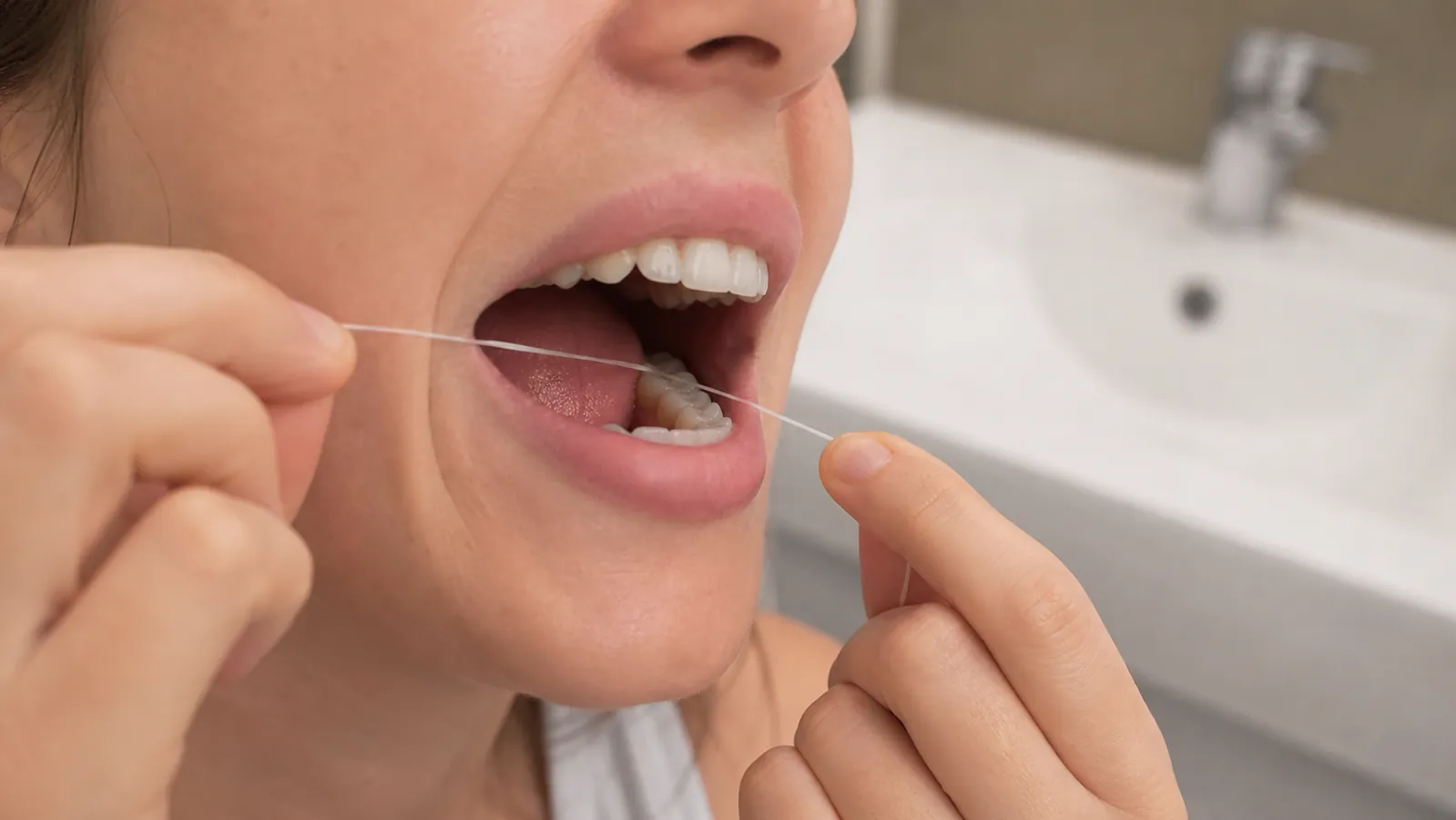
Yes, but slide the floss out to the side instead of lifting it up, so you do not pop the temporary crown off.
What to Do After Getting a Crown
While it’s natural to feel some sensitivity after a crown placement, you can take steps to reduce discomfort:
- Use Desensitizing Toothpaste: A toothpaste designed for sensitive teeth can help protect exposed nerves.
- Avoid Trigger Foods: Stay away from overly hot, cold, sweet, or acidic foods while the tooth is sensitive.
- Practice Good Oral Hygiene: Brush gently with a soft-bristled toothbrush and floss daily to keep the area clean and free from irritation.
- Adjust Your Bite: If you notice sharp pain when chewing, contact us for a bite correction.
- Medication for Pain Relief: Over-the-counter anti-inflammatory medications can alleviate pain and inflammation.
- Protect the Crown: Avoid chewing ice or pens and do not use your teeth as tools. The Canadian Dental Association gives the same advice for keeping a crown in good shape.
These measures, combined with regular dental check-ups, help your tooth crown feel normal.
Do Crowns Feel Like Real Teeth?
Once your crown has settled, it should feel and work much like a natural tooth for biting, chewing and speaking. The crown itself has no nerves, so any feeling you notice comes from the tooth underneath, the gum around it and the way your bite fits together.
When to See Your Family Dentist
While temporary discomfort is expected, certain signs warrant a visit to your family dentist in Burlington:
- Pain or sensitivity that is getting worse instead of better.
- Severe discomfort that interferes with eating or daily activities.
- A crown that feels too high or alters your bite significantly.
- Persistent swelling or signs of infection, such as fever or redness.
- A crown or temporary crown that feels loose or comes off. See our dental emergency in Burlington page.
If you are struggling with discomfort after a crown placement or perhaps you’re considering getting a crown to restore your smile, Burlington Family Dentists is here to help.
Common Questions About a New Crown Feeling Normal
Is it normal for a new crown to be sensitive?
Yes. Mild sensitivity to cold, heat or biting pressure is common after a crown, because the tooth was shaped and the nerve inside can react. It should slowly ease. Call your dentist if sensitivity gets stronger, lingers after the cold is gone or comes with throbbing or swelling.
How long does it take for a crown to settle?
It depends on the tooth, how much it was shaped, your gums and your bite, so there is no fixed timeline for everyone. A crown is settling normally when sensitivity and tenderness are slowly easing. If your bite feels high or pain is getting worse, book a check rather than waiting.
Why does my crown feel tight?
A crown is designed to fit snugly against the teeth beside it so food does not pack in between. That snug contact can feel like pressure at first and usually fades. If the tight feeling does not ease, or floss shreds or will not pass between the teeth, the contact may need a small adjustment.
Can I eat with a temporary crown?
Yes. Chew mostly on the other side, and avoid sticky foods like caramel and gum and hard foods like nuts and ice, which can pull off or crack a temporary crown. If it comes off, keep it and call your dentist so the tooth can be covered again.
Do crowns feel like real teeth?
Once a crown has settled, it should feel and work much like a natural tooth for biting, chewing and speaking. The crown itself has no nerves, so any feeling comes from the tooth underneath and the gum around it.
Is Your New Crown Still Not Feeling Right?
Not sure whether what you feel is normal settling or a bite that needs a quick adjustment? A short visit can tell you. At Burlington Family Dentists, we understand that every smile is unique. Our dentists are committed to providing personalized care for your dental needs. Whether it’s a tooth crown to restore a damaged tooth or routine maintenance, we prioritize your comfort and satisfaction.
What Sets Us Apart:
- Lab-made crowns in zirconia or all-ceramic, shade-matched for natural aesthetics.
- Crowns designed from a Trios 3 digital scan, with careful bite checks at placement.
- Comprehensive post-procedure support to address sensitivity and discomfort.
- A warm and welcoming environment to make your visits stress-free.
- In-house payment plans.
Our dedicated team provides care and dental crowns in Burlington tailored to your needs. Schedule your appointment today, and let us help you achieve a healthy, confident smile!
Call us or visit our clinic at 1401 Plains Rd E #4, Burlington, to experience caring support from your trusted family dentist in Burlington!